


![Falcon Chair Office Chairs Falcon Chair [Free Footrest Worth $150] Ergoworks](http://ergoworks.com.sg/cdn/shop/files/Falcon_A.png?v=1786502358&width=104)


![Ergoworks Dual Benching Electric Desk [Customizable] Dual Benching Electric Desk Ergoworks](http://ergoworks.com.sg/cdn/shop/files/EW-0223H-2.jpg?v=1778755296&width=104)





![Impact Junior Desk Chair Set Impact Ergonomic Kids Desk & Chair Set [Chair & Length Options Available] Ergoworks](http://ergoworks.com.sg/cdn/shop/files/KidDeskMainImageFinal.png?v=1778618207&width=104)
![Impact Junior Desk Chair Set Impact Ergonomic Kids Desk & Chair Set [Chair & Length Options Available] Ergoworks](http://ergoworks.com.sg/cdn/shop/files/gray_ff76a24f-26d1-469b-b2d5-0013d4a950d7.jpg?v=1785487301&width=104)







Key Takeaways
-
Rest areas can still affect how the body feels, especially when people stay in the same position for longer than expected.
-
Softness should not be the only measure of comfort, as a seat also needs enough structure to keep the back, hips, and shoulders settled.
-
Small adjustments, such as better foot placement, firmer backing, and regular position changes, can make relaxed sitting feel more balanced.
-
Repeated daily routines can shape what feels normal, so frequently used spaces at home should be reviewed based on real use, not just appearance or first impressions.
Introduction
In many Singapore homes, posture is usually considered when people plan a work desk, study table, or office setup. Lifestyle ergonomics, however, often receives less attention once the setting becomes more relaxed. Sofas, dining benches, lounge chairs, floor cushions, and bed edges are commonly seen as places for downtime, not as spaces that shape how the body feels. A seat may feel easy at first, but if it offers little balance or support, the body may still compensate quietly through the back, shoulders, hips, or neck.
You know the familiar routine: you finish a long day at a highly structured workstation, transition to the living room couch to binge-watch a show, and an hour later, you stand up with a stiff neck and an aching lower back. Casual seating moments are part of daily life for working adults, parents, students, and new homeowners furnishing compact spaces. Someone may finish work in a supportive chair, then spend the evening scrolling on the sofa, supervising homework, or reading in a corner chair. These moments feel harmless because they are informal, but repeated, unsupported positions can drastically influence how your body adapts.
Why Casual Seating Is Rarely Treated as Physical Support
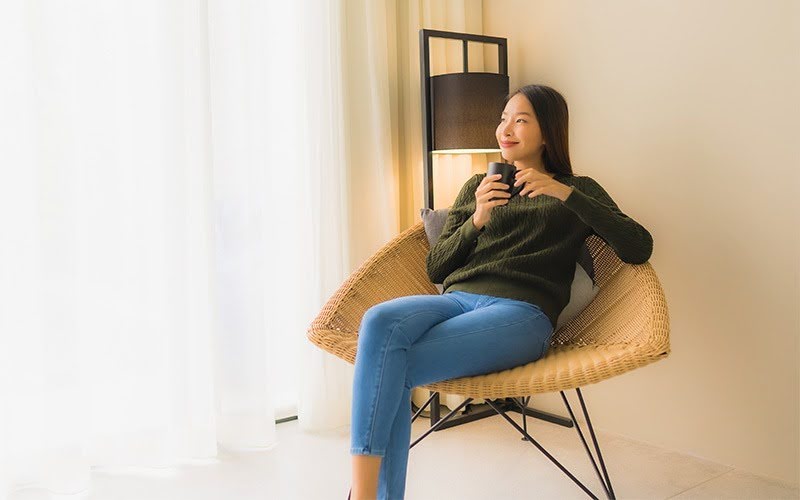
Casual seating is often framed as rest, so the body’s support needs are easy to overlook. After a long commute, workday, school run, or household routine, sitting down feels like a reward. Many people focus on how quickly a seat helps them relax rather than how well it supports them once they remain there. This is where lifestyle ergonomics helps connect relaxation with the body’s need for steady support. Even during rest, the body still manages weight, balance, and alignment.
The issue is usually duration and repetition, not one relaxed posture. A comfortable position may work for a few minutes, but it becomes less supportive when it turns into an everyday default. In homes where the living room supports rest, entertainment, family time, and casual work, casual seating habits should be reviewed with real routines in mind. If stiffness appears after twenty to thirty minutes, the seat may need firmer backing, better foot placement, or a simple adjustment that helps the body rest without sinking too deeply into the furniture.
How to Tell If a Soft Seat Is Supporting You Properly
Softness is often the first thing people associate with comfort. A plush sofa, cushioned dining seat, or deep lounge chair can feel welcoming immediately, especially after a tiring day. However, first-contact comfort does not always reflect long-term support.
For people furnishing a new BTO flat or upgrading a multi-purpose room, it helps to know where softer leisure seating fits, and where integrating dedicated ergonomic chairs for home is necessary to protect your spine during extended periods of casual laptop browsing or study.
Why First-Contact Comfort Can Be Misleading
That first feeling matters, but it should be measured against how the body feels after settling in. A seat may reduce pressure immediately, but longer use can reveal whether it provides enough structure. If the hips slide forward, the lower back loses contact with the backrest, or the shoulders round inward, the body may not be resting as well as it seems. Lifestyle ergonomics shifts the focus beyond softness, so comfort is judged by how well a seat supports the body after the first few minutes.
|
Casual Seating Habit |
The Immediate Feeling (First-Contact) |
The Long-Term Reality (30+ Mins) |
The Lifestyle Ergonomics Fix |
|
Sinking into a deep, plush sofa |
Feels cloud-like and instantly relieves foot pressure. |
Pelvis tilts backwards, flattening the lumbar curve and straining the lower back. |
Add a supportive cushion behind the lower back to help maintain proper alignment. |
|
Sitting on the edge of the bed to use a phone |
Feels casual and easy. |
Forces the shoulders forward and the neck into extreme flexion ("Tech Neck"). |
Relocate to an armchair or ensure the device is elevated closer to eye level. |
|
Sitting cross-legged on a dining bench |
Feels relaxed and informal. |
Creates uneven hip pressure and restricts leg circulation. |
Shift to a seat with proper depth that allows feet to rest flat on the floor. |
What to Look For Beyond Softness
Once softness is understood as only one part of comfort, the next step is to check how the seat supports normal use. A useful seat should allow the body to stay balanced without constant effort.
The seat base should feel stable enough that the hips do not sink excessively. The backrest should let the back rest without pushing the shoulders forward. Seat depth should also suit the user, so the person can sit back without pressure behind the knees.
These checks make it easier to judge whether everyday seating offers the right support, particularly in homes where one seat may serve several purposes across the day.
What Happens When Informal Seating Does Not Remind You to Move
Formal work setups often contain signals that remind people to adjust. A monitor may feel too low, a keyboard may feel too far away, or a chair height may make the shoulders tense. Informal seating does not always provide the same cues. When someone is watching a show, using a phone, helping a child revise, or reading on a sofa, attention is usually on the activity rather than the body. This can make it easy to stay in one posture longer than intended.
Support does not need to make the home feel overly structured or clinical. It can be as simple as adjusting seat depth, placing the feet more evenly on the floor, changing positions between activities, or using an ergonomic pillow to instantly upgrade the lumbar support of a deep sofa without ruining its aesthetic. External support should also work with movement. Standing up between episodes, switching sides while reading, or taking a short stretch after longer sitting periods can help the body reset before tension becomes more noticeable.
Why Repeated Leisure Habits Change What Feels Normal

When unsupported seating becomes part of a daily routine, the body may start treating certain sensations as familiar. A person may regularly lean into one armrest, sit with one leg tucked under the body, or angle the neck downward while using a device. These positions may not feel uncomfortable immediately, but they can shape what the body starts to accept as normal over time. Mild tightness after sitting, stiffness when standing, or the need to keep shifting may be accepted as part of resting rather than recognised as a sign that the body needs better support.
This is why lifestyle ergonomics works best as daily awareness, not a strict posture rule. For parents, it may mean noticing how children move between study chairs, dining chairs, beds, and floor seating. For working adults, it may mean reviewing what happens after office hours, when the body moves from structured work to casual screen time. For homeowners, it may mean choosing furniture that suits real behaviour rather than showroom impressions. Small improvements in seat height, back support, and position changes can make everyday comfort feel more balanced.
How Everyday Comfort Choices Shape Long-Term Support Needs at Ergoworks
At Ergoworks, lifestyle ergonomics is approached as part of how people live, work, study, and rest across the full day. Casual seating moments may seem small, but they often fill the time between work tasks, school routines, family interaction, and sleep. This makes them worth considering when planning a home, upgrading a workspace, or choosing products for different users. A well-planned setup should reflect the way people actually sit, move, and relax, rather than focusing only on formal work areas.
What to Check Based on How You Use the Seat
A seat becomes more supportive when it is chosen according to real routines, not only how it looks in the room. Before deciding on casual seating, consider how long the seat is usually used, who uses it most often, and what activities happen there.
A seat used for short rest may not need the same structure as one used for reading, laptop browsing, or supervising homework. Adults, children, and older family members may also need different seat heights, depths, and support levels.
This is where leisure seating ergonomics becomes useful in practice, because it connects comfort to actual daily behaviour.
Why Long-Term Support Should Still Feel Natural at Home

Good long-term support should fit naturally into the home, rather than making everyday living feel formal or restrictive. For many Singapore households, the solution is not to replace every seat with a work chair. A lounge chair can still feel relaxed, a sofa can still look inviting, and a study corner can still suit the interior style. The difference lies in whether each item fits the way the space is actually used.
The difference lies in whether each item fits the way the space is actually used. By integrating thoughtful ergonomic furniture into your interior design, everyday seating support feels entirely natural, giving your body a steadier balance in the spaces you return to most often for relaxation.
Conclusion
Ergoworks recognises that comfort does not only happen at the desk. It continues through the spaces where people unwind, read, supervise children, watch shows, use devices, or spend time with family. When these casual moments are overlooked, the body may gradually adapt to positions that feel familiar but do not always provide enough support. Over time, this can affect how people understand comfort in their everyday routines.
A more supportive approach begins with awareness. Instead of treating casual seating as separate from posture and well-being, it helps to review how the body is supported across the full day. For professionals, parents, students, new homeowners, and organisations in Singapore, this creates a practical way to make comfort more consistent.
Visit our showroom to explore ergonomic solutions that fit your daily routines, so the spaces you use most often feel more relaxed, balanced, and properly supported.



Leave a comment
This site is protected by hCaptcha and the hCaptcha Privacy Policy and Terms of Service apply.