


![Falcon Chair Office Chairs Falcon Chair [Free Footrest Worth $150] Ergoworks](http://ergoworks.com.sg/cdn/shop/files/Falcon_A.png?v=1786502358&width=104)


![Ergoworks Dual Benching Electric Desk [Customizable] Dual Benching Electric Desk Ergoworks](http://ergoworks.com.sg/cdn/shop/files/EW-0223H-2.jpg?v=1778755296&width=104)





![Impact Junior Desk Chair Set Impact Ergonomic Kids Desk & Chair Set [Chair & Length Options Available] Ergoworks](http://ergoworks.com.sg/cdn/shop/files/KidDeskMainImageFinal.png?v=1778618207&width=104)
![Impact Junior Desk Chair Set Impact Ergonomic Kids Desk & Chair Set [Chair & Length Options Available] Ergoworks](http://ergoworks.com.sg/cdn/shop/files/gray_ff76a24f-26d1-469b-b2d5-0013d4a950d7.jpg?v=1785487301&width=104)





Key Takeaways
- The way your workspace is arranged influences how you move throughout the day, often shaping posture and habits without your conscious awareness.
- When frequently used items are placed within easy reach, the body tends to rely on small, repetitive movements rather than natural variation.
- Layout factors such as direction, spacing, and accessibility can either encourage movement or quietly discourage it by making adjustments feel less convenient.
- Over time, repeated low-effort movements become default behaviours, affecting how physical strain is distributed during long hours of desk work.
Introduction
Most people associate comfort at a desk with the chair they sit on or the desk they use. However, workstation layout ergonomics often plays a quieter but equally important role. Long before you feel any discomfort, your workspace setup is already shaping how you move, reach, and sit throughout the day.
These small, repeated choices rarely feel deliberate, yet they gradually influence how your body behaves over time. In Singapore, where long desk hours are common across both office and home environments, these patterns can build up quickly. This is why layout is not just about organisation, but about how your body interacts with your workspace throughout the day.
How Proximity Determines Which Movements Happen Automatically
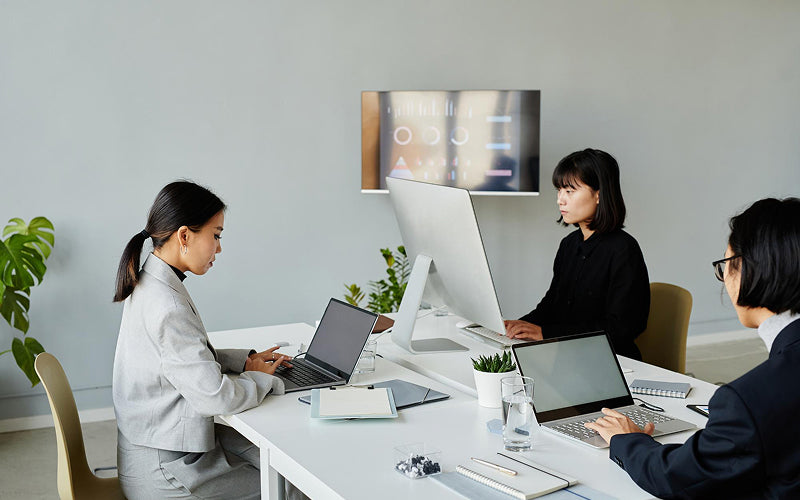
When items are placed within easy reach, your body naturally gravitates towards smaller, more repetitive movements. This is where workstation layout ergonomics subtly guides behaviour. If your keyboard, mouse, or documents are always close by, your body may rarely extend, rotate, or shift position.
Throughout the workday, these tendencies develop into unconscious movement patterns, in which your body defaults to the most convenient option without deliberate thought. While this may feel efficient, it also means your body is given fewer opportunities to move through a wider and more natural range of motion.
What Happens When Everything Is Within Easy Reach
At first, having everything close by feels efficient. However, over time, it also shapes how often you move without you realising it. When items are clustered within a tight radius, your movements tend to stay small and repetitive, limiting how often your body naturally stretches or changes posture. In practical terms, this is why workspace design benefits from a balance. Keeping frequently used items accessible while allowing slight variation in reach can encourage more natural movement throughout the day, rather than reinforcing a fixed working position.
How Repeated Movements Quietly Become Daily Habits
As these small movements are repeated day after day, they become normal and automatic. The body adapts to these patterns, reinforcing them as default behaviours. While they may not feel restrictive in the moment, relying on the same limited range of motion can gradually influence how physical effort is distributed across your upper body. Over time, this may show up as remaining in similar positions for longer periods without realising it.
Why Orientation Influences Whether Movement Feels Worth the Effort
The direction your body faces within a workspace affects how easily movement flows. When your screen, documents, or tools require frequent turning or repositioning, the movement can start to feel more disruptive than natural. This is where spatial proximity ergonomics becomes relevant, as both distance and direction influence how fluidly you interact with your environment. When movement feels slightly inconvenient, the body often avoids it altogether, even if the adjustment itself is small.
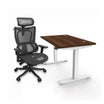
A well-positioned ergonomic desk supports a layout where movement feels intuitive rather than effortful. Aligning your primary work zone with your natural line of sight and reach makes it easier to make small adjustments throughout the day. This helps reduce the need for repeated twisting or leaning, allowing movement to happen more naturally as part of your workflow.
What Access Friction Does to Spontaneous Movement Over Time
Small barriers in your workspace can have a surprisingly noticeable effect on how often you shift your position. Limited legroom, awkward angles, or items that are slightly out of reach create access friction in workspaces. Within the context of workstation layout ergonomics, these minor interruptions can discourage natural adjustments without drawing much attention to the cause. Even small delays or awkward adjustments can be enough to reduce how often you change position.
Across the day, these moments of hesitation accumulate. You may find yourself staying in one position longer simply because it feels easier. Incorporating adaptable elements, such as monitor arms, can help reduce these barriers by making adjustments smoother and more accessible, allowing movement to occur more naturally without interrupting your workflow.
How Repeated Low-Resistance Choices Become Physical Defaults
Over time, your body begins to favour movements that require the least effort. This is a natural response, but it also means that your range of movement may gradually become limited. Through workstation layout ergonomics, these low-resistance pathways are reinforced repeatedly until they feel like the most comfortable way to work.
Once these patterns are established through repeated daily use, they become familiar and easy to maintain. Whether it is leaning slightly forward, reaching to one side, or maintaining a fixed shoulder position, these behaviours become part of how you naturally sit and move throughout the day. This is where layout begins to influence long-term comfort. When movement options are limited, physical load is distributed less evenly across the body, even if the setup initially feels acceptable.
Why These Patterns Often Go Unnoticed Until Later
One reason these changes are easy to overlook is that they develop gradually. Workstation layout ergonomics does not cause immediate discomfort. Instead, it shapes behaviour in the background, long before fatigue or strain becomes obvious. Many professionals only begin to reassess their setup when discomfort appears, without realising that the underlying patterns may have been present for some time. By the time discomfort becomes noticeable, these movement habits are often already well established.
Considering ergonomic office furniture solutions as part of a broader layout strategy helps address not only what you use, but also how everything works together within your space. Looking at your workspace as a whole makes it easier to identify where small adjustments can support better movement patterns.
Conclusion

Understanding how your environment influences movement provides a more complete view of comfort at work. It is not just about individual furniture pieces, but how everything is arranged and accessed throughout the day. By recognising how layout quietly shapes behaviour, you can create a workspace that supports more natural movement without needing constant adjustments.
If you are looking to refine your setup more intentionally, Ergoworks offers ergonomic solutions that support not just what you use, but how your entire workspace encourages better movement and everyday comfort.


Leave a comment
This site is protected by hCaptcha and the hCaptcha Privacy Policy and Terms of Service apply.