

![Falcon Chair Office Chairs Falcon Chair [Free Footrest Worth $150] Ergoworks](http://ergoworks.com.sg/cdn/shop/files/Falcon_A.png?v=1786502358&width=104)


![Ergoworks Dual Benching Electric Desk [Customizable] Dual Benching Electric Desk Ergoworks](http://ergoworks.com.sg/cdn/shop/files/EW-0223H-2.jpg?v=1778755296&width=104)





![Impact Junior Desk Chair Set Impact Ergonomic Kids Desk & Chair Set [Chair & Length Options Available] Ergoworks](http://ergoworks.com.sg/cdn/shop/files/KidDeskMainImageFinal.png?v=1778618207&width=104)
![Impact Junior Desk Chair Set Impact Ergonomic Kids Desk & Chair Set [Chair & Length Options Available] Ergoworks](http://ergoworks.com.sg/cdn/shop/files/gray_ff76a24f-26d1-469b-b2d5-0013d4a950d7.jpg?v=1785487301&width=104)






Key Takeaways
- As careers progress, small physical changes can make prolonged sitting and repetitive desk tasks feel more demanding even when job responsibilities remain the same.
- Slower recovery between workdays can allow minor strain to accumulate gradually, often appearing as persistent fatigue rather than sudden discomfort.
- Remaining in the same seated position for extended periods may become less comfortable over time, making posture variation increasingly important.
- As workplace needs evolve across different career stages, adjustable seating and flexible workspace setups help maintain comfort and productivity.
Introduction
Across many industries in Singapore, working lives are extending well beyond what was once considered a traditional career span. As professionals remain active in their roles for longer, conversations about workplace wellbeing increasingly include the needs of the ageing workforce. This shift is becoming more visible as organisations recognise that employees today are often continuing their careers well into later stages of life.
For many individuals, the nature of their work may not change significantly over the years. However, the body’s response to these daily routines gradually shifts. Tasks that once felt effortless, such as long hours at a desk or maintaining a fixed posture during meetings, can gradually become more tiring. This shift is not usually the result of one sudden problem but by small physical changes that accumulate over time.
Understanding how the ageing workforce experiences work differently helps employers, professionals, and workspace planners make thoughtful adjustments. With supportive environments and adaptable work setups, individuals can continue working comfortably and productively throughout different stages of their careers.
How Age-Related Physical Changes Affect Everyday Desk Work
As people age, subtle biological changes affect how the body handles physical demands during routine work activities. Musculoskeletal changes with age, including gradual shifts in muscle mass, connective tissue elasticity, and joint resilience, influence how the body responds to daily physical load throughout working life.
These changes affect how physical loads are distributed during everyday activities, such as sitting, typing, and working at a computer. Joints and surrounding support structures may become less efficient at distributing sustained pressure, which can gradually make familiar desk routines feel more physically demanding, even when workloads remain unchanged.
This is one reason many professionals start to notice age-related physical strain at work later in their careers. The working environment may stay the same, but the body’s tolerance for repeated or prolonged physical demands does not.
Why Slower Recovery Changes How Repetitive Work Is Experienced
Another important shift lies in recovery. As recovery processes naturally slow over time, muscles and connective tissues require more time to restore themselves after sustained physical use.
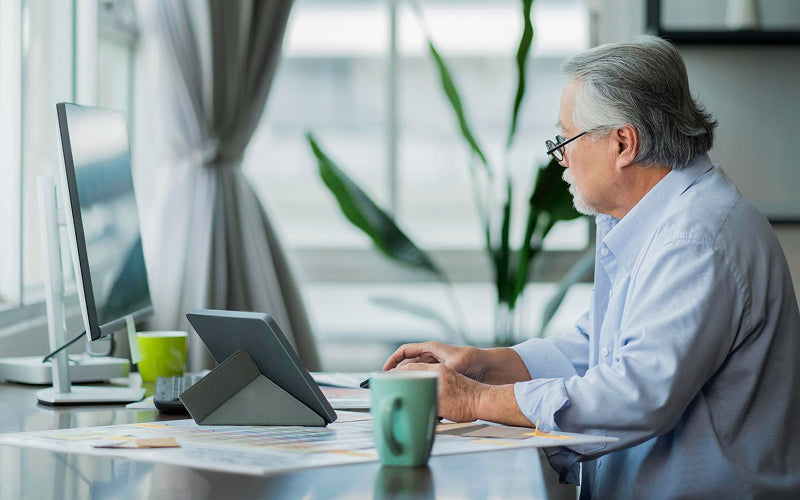
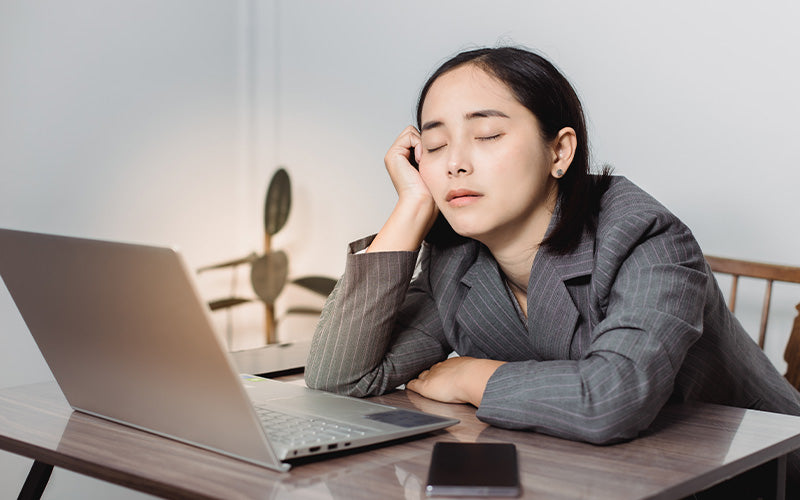
When recovery is incomplete between workdays, low levels of strain may quietly accumulate. Rather than one obvious moment of discomfort, individuals may begin to notice persistent fatigue in the neck, shoulders, or lower back, particularly after long hours of desk-based work. These experiences are becoming increasingly relevant as organisations consider how to better support the ageing workforce in everyday work environments.
What Daily Work Patterns Often Reveal As Recovery Slows
These changes rarely appear suddenly. Instead, they tend to emerge through subtle patterns that develop gradually across everyday work routines.
Common signs that recovery between workdays may be slowing include fatigue appearing earlier during the workday than before, neck or shoulder tightness during extended computer use, and increasing discomfort during long meetings or extended desk work.
Recognising these patterns early allows individuals to make thoughtful adjustments to their workspace before discomfort becomes more disruptive. Supportive seating from reputable office furniture retailers can help reduce unnecessary physical load and support more comfortable work routines over time.
What Happens When Tolerance for Static Positions Declines During Long Sitting
Many individuals maintain sufficient strength and mobility well into their later working years. However, the ability to remain comfortable in the same position for extended periods often changes earlier.
This is why prolonged sitting may start to feel more taxing even when overall physical capability remains strong. This reflects how the body’s support requirements gradually evolve, making posture variation increasingly beneficial during long periods of sitting.
Furniture designed with adjustability in mind helps accommodate this shift. A well-designed executive chair allows users to adjust seat height, back support, and arm positioning to suit their posture. These small changes help distribute pressure more evenly, enabling the ageing workforce to remain comfortable during extended work sessions.
Why Adjustable Workspaces Become More Important Over Time
As careers progress, workplace setups that once felt comfortable may require small adjustments to maintain the same level of support. This does not necessarily mean the original setup was unsuitable. Rather, it reflects the simple fact that the body’s response to sustained load evolves over time.
What Workspace Adjustments Help Support Changing Work Comfort
Small adjustments to the workspace can make a meaningful difference in how comfortably individuals work throughout the day.
Examples of adjustments that support changing physical support needs over time include:
- Seating that allows personalised height and lumbar adjustments
- Desks that accommodate different working positions
- Flexible areas such as work pods where individuals can vary posture and focus
These adjustments can help maintain comfort and productivity without requiring major disruptions to everyday work routines.
Why Long-Term Ergonomic Support Matters for Sustainable Work

Recognising how the ageing workforce experiences daily work differently helps shift the way ergonomic support is viewed. Rather than being treated as a short-term comfort measure, it becomes part of maintaining physical wellbeing throughout a longer career.
When work environments are designed with adaptability in mind, individuals can adjust their workspace as their needs evolve. This approach supports better posture habits, reduces unnecessary strain, and encourages sustainable work routines across different life stages.
As more people remain active in their careers for longer, creating supportive work environments becomes increasingly important for maintaining comfort and long-term well-being. Thoughtful adjustments to seating, posture support, and workspace layout can make a meaningful difference in how the body responds to daily work routines over time.
If you’re reassessing your home or office setup, explore the ergonomic seating and workspace solutions at Ergoworks, thoughtfully designed to support good posture, lasting comfort, and sustainable work habits at every stage of your working life.


Leave a comment
This site is protected by hCaptcha and the hCaptcha Privacy Policy and Terms of Service apply.