


![Falcon Chair Office Chairs Falcon Chair [Free Footrest Worth $150] Ergoworks](http://ergoworks.com.sg/cdn/shop/files/Falcon_A.png?v=1786502358&width=104)


![Ergoworks Dual Benching Electric Desk [Customizable] Dual Benching Electric Desk Ergoworks](http://ergoworks.com.sg/cdn/shop/files/EW-0223H-2.jpg?v=1778755296&width=104)





![Impact Junior Desk Chair Set Impact Ergonomic Kids Desk & Chair Set [Chair & Length Options Available] Ergoworks](http://ergoworks.com.sg/cdn/shop/files/KidDeskMainImageFinal.png?v=1778618207&width=104)
![Impact Junior Desk Chair Set Impact Ergonomic Kids Desk & Chair Set [Chair & Length Options Available] Ergoworks](http://ergoworks.com.sg/cdn/shop/files/gray_ff76a24f-26d1-469b-b2d5-0013d4a950d7.jpg?v=1785487301&width=104)






Key Takeaways
- Repeated sitting positions significantly influence a child's physical development and overall coordination.
- Low-level physical strain from poor sitting habits can reduce a child's ability to focus and stay productive.
- During growth spurts, children may experience increased sensitivity to discomfort, making proper seating even more crucial.
- Developing good sitting habits early on supports long-term physical health and academic success.
Introduction
As children progress through their school years, they spend a significant amount of time seated at desks, reading, and completing assignments. During these crucial developmental years, their study posture affects not only comfort but also overall physical health, cognitive function, and attention span. Parents and guardians who understand the importance of good posture are better equipped to support their children’s learning and development healthily and sustainably.
Why Study Posture Matters for Children’s Physical Development
Children’s bodies adapt quickly to repeated movements, especially in relation to their study posture. When children sit for long periods, their muscles, joints, and overall body structure begin to adjust to the positions they adopt most frequently. This pattern of adaptation influences their coordination, balance, and overall physical stability as they grow. Poor posture, if left unaddressed, can cause discomfort and, over time, negatively impact physical development.
How Repeated Sitting Positions Shape Physical Development
Children’s sitting posture while studying has a big impact on their muscle coordination, joint health, and overall growth. Sitting for long hours without proper ergonomic support can strain muscles and cause discomfort. For growing children, maintaining good posture is especially important, as it supports balance, strengthens muscles and joints, and helps promote long-term health.
Ensuring a child maintains proper study posture can positively influence how their body grows and adapts to prolonged sitting. It's not just about comfort; it's about setting up a foundation for healthy physical development.
How Posture Affects Attention and Focus During Study Time

When children sit in positions that require continuous muscular effort, they expend more energy just to stay balanced. This muscle strain can drain energy reserves that would otherwise be used for learning tasks, making it harder for them to concentrate.
Why Low-Impact Strain Reduces Focus and Productivity
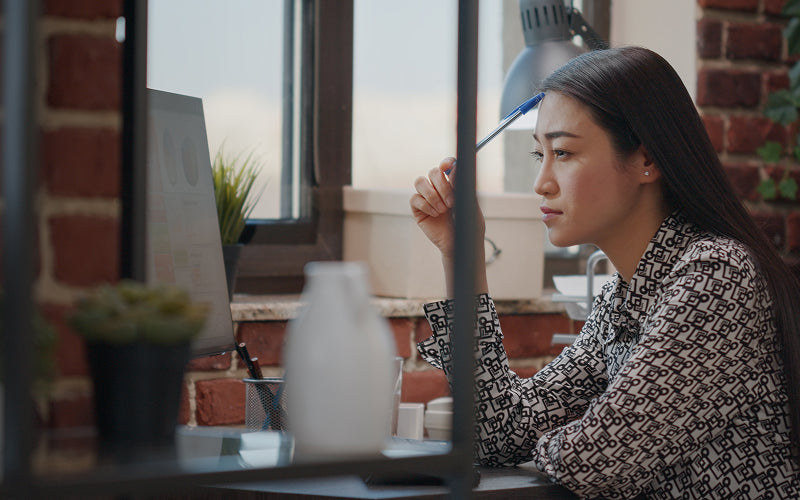
Sitting for long periods in a posture that requires ongoing physical effort can cause fatigue and make it difficult for children to stay focused. As muscles work harder to maintain balance, this hidden physical strain drains the mental energy needed for tasks such as reading and problem-solving. As a result, children may frequently shift positions or become restless, reducing their ability to stay focused and productive. This highlights the strong link between posture and attention in children, suggesting that poor posture may directly affect their ability to stay engaged.
By addressing study posture early on, children can conserve their energy for what matters most: learning. Ergonomic study setups can provide them with the support they need to stay comfortable and focused during study sessions.
Why Comfort and Stability Are Crucial for Longer Learning Sessions
Children often struggle to stay seated for long study sessions due to low-level strain from poor posture. This cumulative strain can shorten their ability to stay productive and attentive over time. Posture affects both physical comfort and a child’s ability to stay mentally engaged during learning tasks.
What Happens When Posture Causes Early Fatigue
When a child’s body is under continuous low-level strain from poor posture, it leads to early fatigue. This strain can make it harder for them to stay focused and productive throughout long study sessions. As their bodies become more fatigued, children may experience a loss of attention or feel the need to stand up or move around frequently. By providing proper ergonomic support, children can maintain physical comfort, enabling them to stay focused during longer learning sessions without being distracted by discomfort or restlessness.
Investing in a study table for kids may help reduce this strain, allowing children to focus on learning without unnecessary distractions.
How Growth Spurts Can Affect Posture Sensitivity
During periods of rapid growth, children’s bodies change quickly, and they may become more sensitive to postural strain. As bones grow faster than muscles, children may not be able to articulate discomfort clearly, but they might experience increased restlessness or fatigue. At this stage, it becomes especially important to provide ergonomic support to minimise discomfort.
Why Growth Phases Make Posture Even More Important
Growth spurts lead to changes in the body’s mechanics. As bones lengthen rapidly, muscles and connective tissues may take time to catch up, making the body more vulnerable to strain. During these times, children may become more aware of discomfort, even if they can’t pinpoint its exact source. Increased restlessness or early fatigue may signal that the body is adjusting to these changes, and ergonomic furniture can help ease this transition by supporting the body more effectively.
Understanding this phase helps parents be more proactive in choosing ergonomic solutions in Singapore, such as an ergonomic table and chair, to support both physical development and attention.
Why Early Awareness of Posture Sets the Stage for Healthy Habits
The study of posture habits that children develop early on can carry into adolescence and adulthood. Parents who invest in ergonomically supportive furniture for their children help lay the foundation for better long-term health and well-being. By recognising the role posture plays in physical development and learning, parents can foster habits that prevent future discomfort.
What Parents Can Do to Promote Healthy Habits
Parents can take a proactive role in supporting their children's long-term physical health by encouraging proper posture from an early age. By offering their children ergonomic solutions, such as kids’ chairs and study tables designed specifically for their needs, parents can better support healthy development and enhance their children’s attention span. Developing these healthy habits early can help children maintain good posture into adulthood, leading to healthier and more comfortable learning environments as they grow.
Investing in ergonomic solutions early can create lasting benefits for both physical health and the overall learning experience. At Ergoworks, we believe that supporting a child’s posture isn’t just about preventing discomfort; it’s about promoting long-term well-being.
Conclusion

Posture is a critical factor in both children’s physical development and their ability to concentrate during study sessions. Parents who invest in ergonomic furniture can provide their children with the support needed to grow comfortably and stay focused. At Ergoworks, we are committed to helping parents create a healthy, supportive study environment that promotes both physical well-being and academic success.
Discover our ergonomic study solutions today and give your child the support they need to thrive.


Leave a comment
This site is protected by hCaptcha and the hCaptcha Privacy Policy and Terms of Service apply.