


![Falcon Chair Office Chairs Falcon Chair [Free Footrest Worth $150] Ergoworks](http://ergoworks.com.sg/cdn/shop/files/Falcon_A.png?v=1786502358&width=104)


![Ergoworks Dual Benching Electric Desk [Customizable] Dual Benching Electric Desk Ergoworks](http://ergoworks.com.sg/cdn/shop/files/EW-0223H-2.jpg?v=1778755296&width=104)





![Impact Junior Desk Chair Set Impact Ergonomic Kids Desk & Chair Set [Chair & Length Options Available] Ergoworks](http://ergoworks.com.sg/cdn/shop/files/KidDeskMainImageFinal.png?v=1778618207&width=104)
![Impact Junior Desk Chair Set Impact Ergonomic Kids Desk & Chair Set [Chair & Length Options Available] Ergoworks](http://ergoworks.com.sg/cdn/shop/files/gray_ff76a24f-26d1-469b-b2d5-0013d4a950d7.jpg?v=1785487301&width=104)





Key Takeaways
-
Leisure seating offers immediate comfort, but true support is often absent in soft sofas, leading to strain during long periods of rest.
-
Staying in one relaxed position for too long can reduce natural movement, allowing pressure and tension to build gradually.
-
Small adjustments such as changing positions, improving device height, and adding suitable back or neck support can make rest feel more comfortable.
-
A better leisure setup should support how different family members sit, relax, read, or use devices at home without making the space feel restrictive.
Introduction
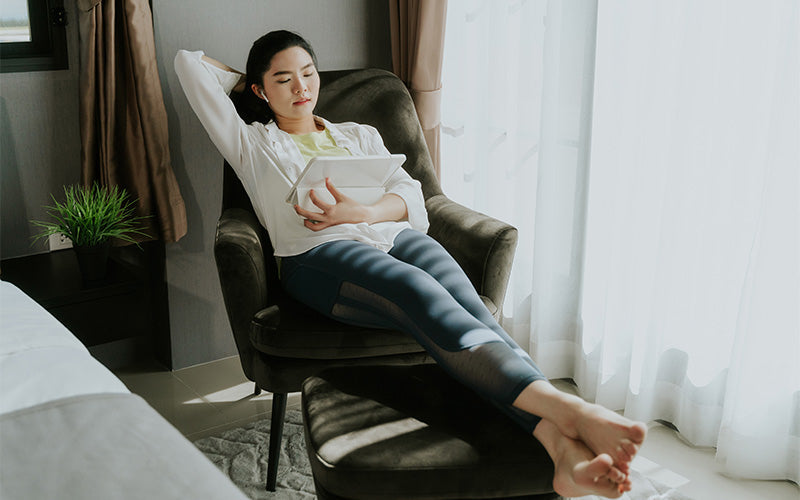
Leisure time is often seen as the part of the day when the body finally gets to rest. After work, school runs, commuting, or household routines in Singapore, sitting on the sofa can feel like a simple way to slow down.
After a grueling day of meetings or household chores in Singapore, sinking into a deep, plush sofa feels like the ultimate reward. You turn on Netflix or pull out your phone to scroll through social media, expecting your body to recover. But hours later, you stand up only to find your lower back aching and your neck stiff. At Ergoworks, we call this the unsupported sitting trap—where your couch feels like a cloud, but acts like a strain on your spine.
Yet unsupported sitting can still influence how the body feels, especially when relaxation turns into long periods of watching shows, scrolling on the phone, gaming, or reading. Rest should help the body settle, but when the seat does not provide enough support, certain areas may continue holding tension quietly in the background.
Why Soft Seating Can Feel Comfortable Yet Still Lack Support
Soft seating often feels inviting because it creates an immediate sense of ease. However, softness alone does not always help the body stay well supported. When cushions sink too deeply, the pelvis may tilt, the lower back may round, and the shoulders may gradually fold forward. The ideal support maintains the spine’s natural S-curve, but unsupported sitting can make the body rely on small stabilising muscles instead of allowing the seat to share the load. Sofa support does not need to feel stiff or formal. It should simply give the body a steadier base, so relaxation does not require constant effort.
How Non-Task Sitting Reduces Natural Postural Adjustment
During work or study, people tend to notice discomfort sooner because they are typing, writing, reaching for materials, or shifting between tasks. Leisure sitting is different because the body often stays still without the person realising it. Unsupported sitting is not only about the sofa itself, but also how the body settles into it over time. The body may receive fewer cues to move, which can allow pressure to build around the hips, lower back, neck, or shoulders. A practical way to reduce this is to change position between activities, stand up during natural breaks, or adjust the seat so the body is not held in one relaxed posture for too long.
What Happens When Muscles Stay Passively Engaged During Rest
Rest does not always mean the muscles are fully switched off. In a deeply sunken or poorly supported seat, the body may still need to hold itself in place. For example, the neck may work lightly when the head leans forward, while the lower back may feel less settled when the spine is rounded for a long period. Unsupported sitting may then leave the body feeling heavy, tight, or less refreshed, even though the activity itself feels effortless. For homes where the living room also serves as a reading corner, study area, or casual work spot, suitable ergonomic furniture can help support better sitting habits without changing the room’s relaxed feel.
Why Recovery Can Feel Incomplete After Long Periods On Sofas
The body often recovers better when it has both support and freedom to move. Long periods on very soft sofas may compress some areas while leaving others under-supported, which is why a person can spend an evening “resting” but still get up feeling stiff or tired.
To create a healthy balance, local families are increasingly zoning their living rooms. By pairing soft seating with dedicated ergonomic chairs for home, you create specialized spaces for casual laptop browsing or reading. Integrating smart ergonomic furniture doesn't mean sacrificing the cozy aesthetic of a Singapore home, it simply ensures your body has a place to rest dynamically without passive muscle fatigue. For example, families can consider alternating between sitting positions, keeping frequently used devices at a more comfortable viewing height, or placing ergonomic chairs for home in areas where leisure and light tasks often overlap.
|
Seating Type |
The Passive Habit |
The Hidden Strain |
The Ergoworks Adjustment |
|
Deep Soft Sofa |
Slouching / Sliding forward |
Flattens lumbar curve; strains lower back muscles |
Insert an ergonomic pillow behind the pelvis for structural base support. |
|
Bed / Headboard |
Propping pillows behind the head |
Forces the neck forward; strains upper thoracic spine |
Keep knees slightly bent with a bolster; bring screens up to eye level. |
|
Dining Chair (for laptop use) |
Leaning forward onto the table |
Loads excessive weight onto the lumbar discs |
Transition to dynamic ergonomic furniture that supports active movement. |
How Supportive Design Helps Leisure Seating Feel More Restorative

Supportive design helps the body relax without forcing it into one fixed or sunken position. In a Singapore home, this can be especially helpful because living spaces often serve several purposes, from family bonding and reading to supervising homework or using a laptop casually. The aim is not to make the living room feel like an office. Instead, the goal is to improve casual seating comfort in a way that feels easy, natural, and better suited to how people actually spend their downtime.
What to Look for in a More Supportive Leisure Setup
A better leisure setup starts with small details that help the body settle without unnecessary strain. Look for seating that does not sink excessively, so the hips and lower back are not pulled into an awkward position.
Seat depth should also feel suitable, allowing the thighs to rest comfortably without making the body slide forward.
You don’t necessarily need to throw out your favorite couch. If your existing sofa is too deep, a strategically placed ergonomic pillow can bridge the gap, restoring the natural S-curve of your lower back and stopping your pelvis from sliding forward during long movie nights.
Backrest structure also matters because it helps the upper body relax without encouraging the shoulders to collapse inward.
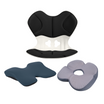
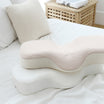
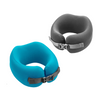
Where the existing sofa is already in use, an ergonomic pillow can help provide additional support for the lower back, neck, or arms, depending on how the person prefers to sit.
How Small Adjustments Make Leisure Seating More Supportive
Once the seating foundation feels more supportive, small adjustments can help the body stay comfortable for longer periods of leisure.
Changing position regularly, placing the phone or tablet closer to eye level, and standing up between episodes or activities can reduce the time spent in one posture. Families can also observe how each person uses the space, since a child reading on the sofa, an adult using a laptop, and an elderly family member resting after the day may all need slightly different support. These small changes help leisure seating feel less passive and easier on the body, without making relaxation feel restrictive.
As a provider of ergonomic seating and posture wellness solutions in Singapore, Ergoworks encourages a more thoughtful approach to everyday comfort. Its practical, user-friendly solutions help individuals and families create setups that better suit how they work, study, and rest.
Conclusion
Leisure time should help the body unwind, but the way a person sits during rest can affect how refreshed they feel afterwards. Unsupported sitting may seem harmless because it happens in familiar spaces such as the living room or bedroom, yet small improvements can make a meaningful difference. Choosing steadier support, adjusting sitting habits, and using suitable accessories can help the body relax with less effort. For Singapore homes, study areas, and shared family spaces, a more considered setup can make everyday rest feel more complete.
Consistency shouldn't be a luxury in a flexible office. Whether you are navigating a shared workspace or managing a hybrid team, the right work chair makes all the difference. Visit an Ergoworks showroom to explore intuitive seating solutions designed for the modern Singaporean office, where comfort is repeatable, no matter who sat there yesterday.

Leave a comment
This site is protected by hCaptcha and the hCaptcha Privacy Policy and Terms of Service apply.