


![Falcon Chair Office Chairs Falcon Chair [Free Footrest Worth $150] Ergoworks](http://ergoworks.com.sg/cdn/shop/files/Falcon_A.png?v=1786502358&width=104)



![Ergoworks Dual Benching Electric Desk [Customizable] Dual Benching Electric Desk Ergoworks](http://ergoworks.com.sg/cdn/shop/files/EW-0223H-2.jpg?v=1778755296&width=104)





![Impact Junior Desk Chair Set Impact Ergonomic Kids Desk & Chair Set [Chair & Length Options Available] Ergoworks](http://ergoworks.com.sg/cdn/shop/files/KidDeskMainImageFinal.png?v=1778618207&width=104)
![Impact Junior Desk Chair Set Impact Ergonomic Kids Desk & Chair Set [Chair & Length Options Available] Ergoworks](http://ergoworks.com.sg/cdn/shop/files/gray_ff76a24f-26d1-469b-b2d5-0013d4a950d7.jpg?v=1785487301&width=104)










Key Takeaways
-
Fatigue during desk work often develops gradually and can occur even without any obvious discomfort.
-
Holding the same seated posture for extended periods places continuous demand on stabilising muscles, reducing endurance over time.
-
Limited movement slows circulation and recovery, contributing to persistent heaviness and reduced energy levels.
-
Early workstation adjustments and posture variation help protect long-term comfort, recovery, and sustained performance.
Introduction
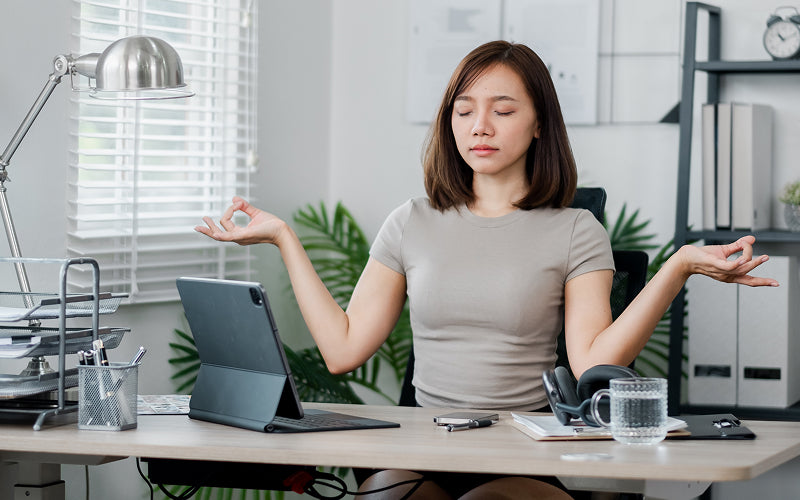
In Singapore’s fast-paced work culture, long hours at a desk are common for office employees, remote professionals, and even students preparing for national examinations. With hybrid arrangements and home workstations now part of daily life, many individuals move between office desks and improvised setups without adjusting their support accordingly. Many assume that if there is no sharp discomfort, the body is coping well. However, work-related fatigue often develops quietly, without the clear warning of pain or injury.
For many desk-based individuals, fatigue is the body’s early response to sustained physical demand, reduced circulation, and incomplete recovery across workdays. When physical strain is distributed across muscles, joints, and supporting structures, the body gradually loses efficiency before discomfort becomes noticeable. Understanding this process helps professionals and parents recognise that tiredness is not simply a mental state. It can be a physical signal that something in the setup or routine requires attention.
Difference Between Fatigue, Burnout, and Pain
Understanding the difference between physical fatigue, psychological burnout, and acute pain helps clarify why discomfort is not always the first signal that something is wrong. These experiences may overlap, but they arise from different mechanisms and require different responses.
Work-related fatigue is primarily physical and posture-linked. It develops when muscles and supporting structures remain under sustained demand without sufficient variation or recovery. Energy levels may decline gradually, and the body may feel heavy or less responsive, even in the absence of sharp discomfort. This form of fatigue is closely connected to how long and how consistently the body maintains certain positions during desk-based work.
Burnout, by contrast, is psychological and workload-driven. It is typically associated with prolonged stress, emotional exhaustion, and reduced motivation. While burnout can contribute to physical tiredness, its underlying cause is related to cognitive and emotional strain rather than muscular support demands. Addressing burnout often involves workload management, rest, and organisational support rather than ergonomic adjustment alone.
Acute pain signals tissue irritation or overload. It is usually localised and more immediate, indicating that a specific structure may be inflamed, strained, or compressed. Unlike gradual fatigue, pain often prompts quicker behavioural change because it is harder to ignore. However, waiting for pain before making workstation adjustments means early warning signs have already been missed.
How Fatigue Can Build Up Even When There Is No Pain
Physical fatigue often shows up as reduced endurance rather than discomfort. Muscles and supporting tissues can begin to tire when they are required to hold the same positions for extended periods, even at low intensity. Because pain thresholds are not immediately crossed, the early signs of physical strain are frequently overlooked.
Why Holding the Same Position Gradually Reduces Muscle Endurance
When posture remains static, certain muscle groups must stay partially activated to keep the head, shoulders, and spine upright. This sustained activation limits opportunities for those muscles to relax fully. Over hours and days, this demand reduces endurance capacity, making it harder to maintain comfort even if no single area feels sore.
This is how cumulative physical fatigue develops. The strain is shared across different tissues rather than concentrated in one area, creating a general sense of depletion rather than acute discomfort. You may notice this as an increased need to shift in your seat, lean on the desk for support, or stretch more frequently by late afternoon.
What Happens When Small Strains Repeat Across the Week
Minor posture deviations, such as leaning slightly forward or elevating the shoulders while typing, may seem insignificant. However, when these patterns are repeated daily, the body adapts by maintaining a constant level of background muscle tension.
As these small strains accumulate, work-related fatigue becomes more noticeable. Energy levels may decline earlier in the day, and recovery may feel slower. The absence of pain can create a false sense of reassurance, even as physical reserves are gradually depleted.
Why Sustained Support Demands Accumulate During Desk-Based Work
Desk-based work places continuous demand on postural muscles and stabilising structures. Unlike dynamic movement, static sitting requires certain muscle groups to remain active for long periods to maintain alignment and balance.
How Static Sitting Increases Load on Postural Muscles
Even when seated comfortably, the body is not fully at rest. Core and back muscles remain engaged to prevent slouching, while the neck and shoulders stabilise the head during screen use. Without adequate movement variation, these structures do not receive meaningful relief.
Over time, this constant demand contributes to growing physical fatigue, particularly during extended meetings or focused tasks that reduce opportunities to change posture.
What Happens When Your Setup Does Not Support Neutral Alignment
Workstations that lack adjustability often require the body to compensate. A seat that is too low, a desk that is too high, or insufficient lumbar support increases strain across the spine and hips.
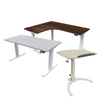
In many Singapore homes and offices, temporary arrangements are common. Selecting appropriate office furniture in Singapore helps distribute physical demand more efficiently, allowing muscles to function without unnecessary compensation. When alignment is supported, the body expends less energy maintaining posture, which helps reduce ongoing fatigue.
How Reduced Circulation Contributes to Ongoing Tiredness
Movement plays an important role in supporting blood flow to muscles and surrounding tissues. When the body remains in one position for extended periods, circulation efficiency may decline.
Why Staying Seated for Hours Slows Tissue Recovery
Limited movement reduces the natural pumping action of the lower limbs and decreases oxygen delivery to working muscles. As a result, tissues may tire more quickly and recover more slowly.
This contributes to posture-related fatigue that feels like heaviness or sluggishness rather than pain. Without intentional movement breaks, the sensation can persist beyond working hours, especially when prolonged sitting dominates most of the day.
Simple Ways to Improve Movement Variation During the Workday

Small adjustments throughout the day can help reduce fatigue accumulation while maintaining productivity:
-
Alternate between sitting and standing where possible
-
Take short walking breaks every 30 to 60 minutes
-
Perform gentle ankle and calf movements while seated
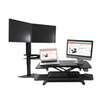
Incorporating tools such as an electric standing desk makes it easier to adjust and maintain proper posture consistently. Regular variation supports circulation and reduces sustained demand on any single position.
Why Incomplete Recovery Allows Fatigue to Carry Into the Next Day
Recovery requires more than sleep alone. The body also needs reduced strain and appropriate support during waking hours to restore balance after prolonged periods of static posture and continuous muscular support.
What Recovery Requires Beyond Rest
Muscles that remain overactive during the day may not fully relax overnight. If posture-related strain continues, the body begins the next morning with diminished physical capacity.
This is how fatigue carries forward across consecutive workdays. Each day may begin slightly below optimal capacity, increasing the likelihood that tiredness will accumulate.
How Proper Seating Supports More Complete Recovery
A well-designed work chair supports natural spinal curves and reduces unnecessary muscle guarding. When the pelvis, lumbar spine, and upper back are properly supported, muscles can function with less compensatory effort.
By reducing unnecessary muscular compensation during the day, residual strain is lower in the evening. This supports more complete recovery and helps limit the persistence of fatigue over time.
What Work-Related Fatigue Feels Like When It Affects the Whole Body
Unlike acute strain, work-related fatigue is rarely confined to one specific area. It often presents as general physical tiredness, reduced comfort, slower response time, or difficulty sustaining concentration. Because there is no obvious injury, these signals are easy to dismiss.
Some individuals describe this experience as feeling physically drained despite having adequate sleep, or noticing that their ability to focus declines earlier than expected during routine tasks. When this pattern continues, it reflects an imbalance between physical demand and recovery capacity. Recognising these early changes allows individuals and organisations to make timely adjustments before more significant musculoskeletal concerns develop.
How an Ergonomic Setup Helps Reduce Fatigue Over Time

Persistent fatigue is often the body’s earliest indication that physical demands exceed recovery capacity. An ergonomic setup helps reduce work-related fatigue by distributing physical demand more evenly, supporting natural movement, and reducing unnecessary strain throughout the day.
This preventive approach reflects a long-term view of spinal health and posture wellness. Ergonomic assessment is not only about responding to discomfort, but about identifying subtle setup mismatches before they translate into reduced performance or recurring strain. In Singapore’s demanding work environment, investing in evidence-informed ergonomic solutions supports sustained productivity and physical resilience across different age groups.
If you are noticing persistent tiredness even without obvious discomfort, it may be time to review how your current setup is supporting your body. Schedule a personalised ergonomic assessment with Ergoworks to better understand how to adjust your workstation for long-term comfort and sustained performance.


Leave a comment
This site is protected by hCaptcha and the hCaptcha Privacy Policy and Terms of Service apply.