

![Falcon Chair Office Chairs Falcon Chair [Free Footrest Worth $150] Ergoworks](http://ergoworks.com.sg/cdn/shop/files/Falcon_A.png?v=1786502358&width=104)


![Ergoworks Dual Benching Electric Desk [Customizable] Dual Benching Electric Desk Ergoworks](http://ergoworks.com.sg/cdn/shop/files/EW-0223H-2.jpg?v=1778755296&width=104)





![Impact Junior Desk Chair Set Impact Ergonomic Kids Desk & Chair Set [Chair & Length Options Available] Ergoworks](http://ergoworks.com.sg/cdn/shop/files/KidDeskMainImageFinal.png?v=1778618207&width=104)
![Impact Junior Desk Chair Set Impact Ergonomic Kids Desk & Chair Set [Chair & Length Options Available] Ergoworks](http://ergoworks.com.sg/cdn/shop/files/gray_ff76a24f-26d1-469b-b2d5-0013d4a950d7.jpg?v=1785487301&width=104)



Key Takeaways
- Small, everyday activities such as scrolling, eating, or resting can gradually change how the body interacts with a workspace, reducing how effectively support is experienced over time.
- Work-focused furniture is designed for structured sitting, so relaxed or informal use can limit how key support features are engaged.
- Repeated casual postures throughout the day can become familiar patterns, making it less natural to return to a more supported position during focused tasks.
- Changes in comfort are not always caused by poor setup, but by how the space is used across the day, making consistent habits just as important as initial adjustments.
Introduction
In Singapore’s hybrid work culture, the home office has become more than a place for focused tasks. It is often used for high-stakes Zoom calls, quick lunches, casual scrolling, and even late-night gaming. While chairs and desks may be adjusted for “work mode”, the body still needs support when the laptop is closed. This is why true home office ergonomics should account for non-work moments as much as formal work tasks. At Ergoworks, this means looking at how everyday routines shape comfort, posture, and support throughout the day.
How Casual Activities Change the Way the Body Uses Work Furniture
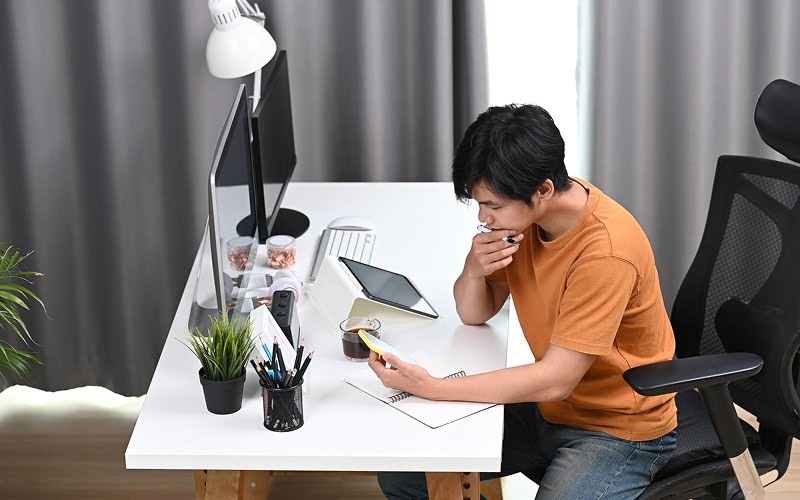
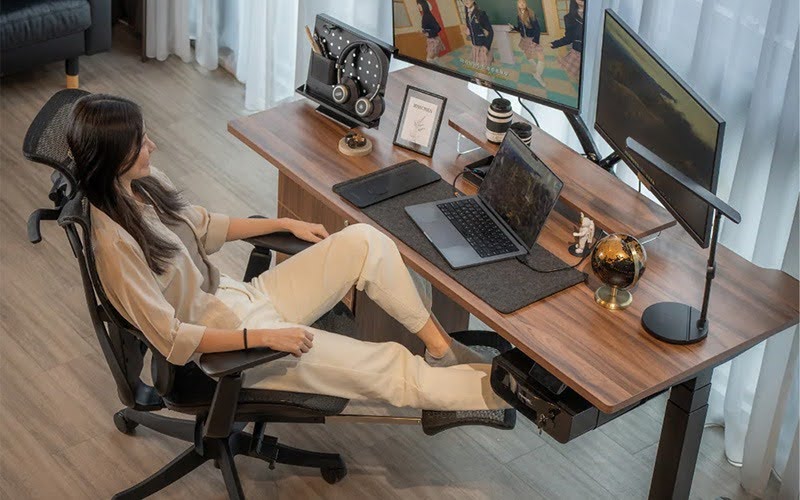
When it comes to home office ergonomics, most setups are designed for upright, task-oriented sitting. During non-work moments, this structure naturally relaxes. In many Singapore homes, the same ergonomic chairs may also be used for gaming, watching Netflix, or browsing on a phone, which often calls for a more relaxed recline than for typing or focused desk work. This shift in posture reflects the casual use of home office furniture, which can reduce how effectively the body engages with support features that were originally adjusted for productivity.
What Changes When You Shift from Work to Relaxed Sitting
As attention moves away from structured tasks, small posture adjustments begin to happen almost automatically.
- Upright sitting gradually softens into a more relaxed position
- Weight shifts away from the back and lumbar support
- The body angles towards handheld devices rather than the desk
While these changes may feel comfortable at the time, they can slowly alter how the body engages with the workspace. Gradually, these small adjustments begin to influence overall comfort. This can reduce the effectiveness of even a well-considered setup.
A simple way to understand this shift is to compare how the body behaves during work use and casual use. During focused tasks, the chair and desk are usually used with more structure. During informal activities, the same setup may be used in ways that reduce support.
|
Activity |
The "Casual" Habit |
The Ergonomic Impact |
The Ergoworks Fix |
|
Mobile Scrolling |
Chin to chest, leaning forward. |
"Tech-neck" and upper back strain. |
Lean back into the ergonomic chair, bring the phone to eye level. |
|
Lunch at the desk |
Perching on the edge of the seat. |
Loss of lumbar support; pelvic tilt. |
Use a height-adjustable desk to stand while eating. |
|
Watching Videos |
Slumping or "sliding" down. |
Compressed spine and tailbone pressure. |
Utilise a footrest or an ergonomic pillow for lumbar support. |
These adjustments are not about making every casual moment feel like work. Instead, they help the body stay better supported when the home workspace is used for different parts of the day.
Why Work Furniture Assumes Structure That Casual Use Removes
Furniture designed for home office ergonomics assumes a certain level of consistency in posture. Office chairs, including ergonomic chairs for home, are built to support the spine when the user is seated upright, with feet grounded and arms positioned for typing. During non-work use of office chairs, these assumptions no longer apply. Sitting sideways, reclining excessively, or perching on the edge of the seat reduces the effectiveness of lumbar support and seat depth adjustments. Over time, this difference between design and usage can affect how consistently support is experienced.
What Happens When Short Casual Moments Repeat Throughout the Day
Short breaks may seem insignificant, but repeated patterns matter. In this context, small moments of leaning forward during meals or twisting while reaching for devices can accumulate. These home office habits outside work reveal how the space is used more casually between tasks. As these positions recur throughout the day, they begin to feel familiar, even if they differ from the original ergonomic setup. This makes it less intuitive for the body to return to a more supported sitting position when work resumes.
How Relaxed Postures Begin to Carry Over Into Task Time
One often overlooked aspect of home office ergonomics is how the body transitions between rest and work. Postures adopted during casual use do not always reset automatically. For example, someone who frequently slouches during breaks may unconsciously maintain a similar position when returning to work tasks. This affects how effectively the body uses features from ergonomic furniture, as the support zones no longer align naturally. Over time, this can reduce the consistency of support even when the setup itself remains unchanged.
Why Recognising Non-Work Use Matters in a Holistic Ergonomic Approach
Understanding home office ergonomics requires looking beyond working hours. Even with a well-adjusted setup, the way the space is used throughout the day can influence how support is experienced. Recognising these patterns helps explain why a setup that appears correct may still feel less supportive in practice.
How to Maintain Consistent Support Throughout the Day
Even when furniture is properly adjusted, maintaining consistent support requires small, intentional adjustments throughout the day. Instead of focusing only on setup, it is helpful to actively reset how the body engages with the workspace during transitions between rest and work.
- Take a brief moment to reposition before returning to work, ensuring your back is fully supported, and your feet are grounded
- Adjust your sitting position after casual activities to realign with the chair’s lumbar and seat depth support
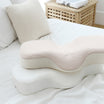
- Use an ergonomic pillow during more relaxed periods to maintain gentle support without needing to fully readjust your setup
- Limit prolonged off-centre sitting by returning to a centred position when using devices for extended periods
These small, consistent actions help reinforce better posture habits, allowing your setup to function as intended across both work and non-work moments. Over time, this supports a more stable and reliable level of comfort throughout the day.
Conclusion

Home office setups are often created with care, but their effectiveness depends on how consistently and appropriately they are used. Casual activities can gradually reshape sitting habits, making even well-designed setups feel less supportive over time. By understanding how non-work behaviour influences posture, individuals can better maintain comfort and alignment throughout the day. At Ergoworks, ergonomics is viewed as an ongoing relationship between furniture and daily habits, supporting posture not just during work, but across everyday routines.
Unsure if your current chair supports your 'after-hours' habits? Visit Ergoworks showroom at Marina Square for a personalised fitting that accounts for your entire lifestyle, not just your job.


Leave a comment
This site is protected by hCaptcha and the hCaptcha Privacy Policy and Terms of Service apply.