


![Falcon Chair Office Chairs Falcon Chair [Free Footrest Worth $150] Ergoworks](http://ergoworks.com.sg/cdn/shop/files/Falcon_A.png?v=1786502358&width=104)







![Ergoworks Dual Benching Electric Desk [Customizable] Dual Benching Electric Desk Ergoworks](http://ergoworks.com.sg/cdn/shop/files/EW-0223H-2.jpg?v=1778755296&width=104)





![Impact Junior Desk Chair Set Impact Ergonomic Kids Desk & Chair Set [Chair & Length Options Available] Ergoworks](http://ergoworks.com.sg/cdn/shop/files/KidDeskMainImageFinal.png?v=1778618207&width=104)
![Impact Junior Desk Chair Set Impact Ergonomic Kids Desk & Chair Set [Chair & Length Options Available] Ergoworks](http://ergoworks.com.sg/cdn/shop/files/gray_ff76a24f-26d1-469b-b2d5-0013d4a950d7.jpg?v=1785487301&width=104)










Key Takeaways
-
Many workplace discomfort signals are subtle at the start and are often dismissed as part of normal daily work, making them easy to overlook until they become more noticeable or persistent.
-
In environments where physical strain is rarely discussed, employees may gradually accept discomfort as something to manage individually rather than raise, leading to fewer conversations about it.
-
Short-term coping habits can help people continue working comfortably in the moment, but they may also hide underlying setup-related issues that develop over time.
-
When discomfort is not addressed early, it becomes harder to trace its original cause, which can delay timely adjustments and allow small issues to become part of everyday work routines.
Introduction
In Singapore's fast-paced work culture, we often wear our fatigue like a badge of honour. We dismiss a tight neck or a dull lower-back ache as 'just part of the job.' But at Ergoworks, we know that silence is the greatest enemy of spinal health. When discomfort is normalised, it isn't being managed; it's being ignored. Understanding why ergonomic issues go unreported is the first step toward reclaiming your daily comfort and long-term wellness.
Why Early Discomfort Is Commonly Interpreted As Part Of The Job
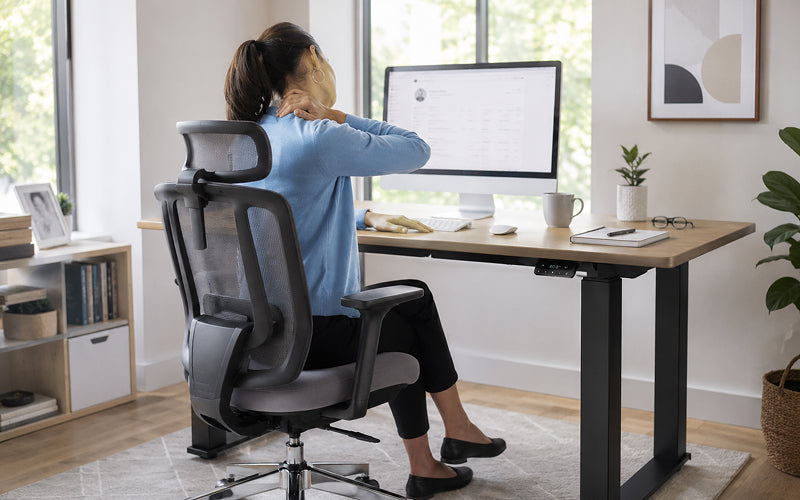
The first signs of ergonomic issues are often mild and easily dismissed as temporary or expected in desk-based work environments. A slight tightness in the shoulders or lower back fatigue at the end of the day can be expected, especially in roles that involve prolonged sitting. This is how the normalisation of workplace discomfort takes place, where physical strain becomes quietly accepted as part of routine work rather than something that requires attention.
Building awareness early helps prevent this shift. A practical starting point is to observe when discomfort appears during the day and how it changes with different tasks. Reviewing your desk setup or switching to a more supportive ergonomic office chair provides a clearer way to determine whether your environment is contributing to the strain and allows timely adjustments before the issue progresses further.
How Silence Becomes The Default Response Over Time
When ergonomic issues are not openly discussed, individuals often assume that managing discomfort independently is the norm. Over time, this creates a pattern where silence feels appropriate, even when discomfort persists. This reduces how often ergonomic concerns are reported and delays necessary adjustments, particularly in shared work environments where productivity is prioritised.
A more effective approach is to normalise small conversations around comfort and posture in the workplace. Introducing simple check-ins or periodic workspace reviews helps surface concerns earlier and ensures that they are addressed before they become long-standing issues that are harder to resolve.
What Short-Term Adjustments Hide From View
Small, everyday adjustments often allow work to continue without disruption, but they can also reduce awareness of underlying problems. While these habits make discomfort manageable in the moment, they can prevent individuals from recognising when their setup requires attention.
Why Quick Fixes Feel Effective But Do Not Solve The Root Cause
These adjustments provide temporary relief, which makes them feel effective. Changing sitting positions, leaning forward during tasks, or taking frequent breaks can ease strain, but they do not address the underlying conditions causing it. As a result, discomfort can still remain present, even if it is less noticeable in the short term. Over time, this can hide developing ergonomic issues and delay meaningful adjustments to the workspace.
What To Adjust In Your Workspace Instead Of Your Body
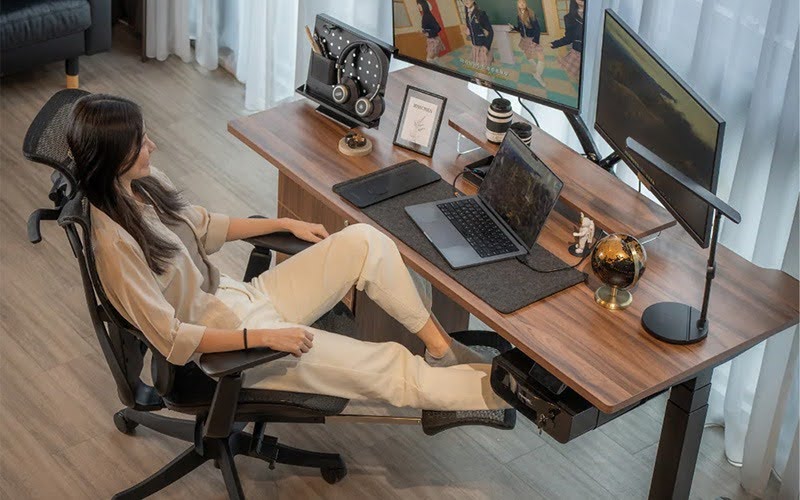
A more effective approach is to adjust the workspace rather than relying on the body to compensate. Ensuring proper screen height, stable seating support, and appropriate desk alignment helps maintain a more natural posture throughout the day. This need for environmental adjustment extends beyond the individual desk. In many Singaporean offices, ergonomic issues go unreported because employees 'make do' with unsuitable furniture during collaborative tasks.
Transitioning these discussions into a well-designed meeting pod provides a controlled, posture-positive environment. Unlike open-plan lounge areas that encourage slouching, these pods are engineered to support better positioning during focused group work, significantly reducing the physical compensation that leads to unreported strain.
These adjustments help create a more supportive environment that reduces reliance on short-term physical compensation. By integrating these purpose-built spaces, organisations can address ergonomic concerns before they are even reported. Rather than expecting employees to maintain perfect posture in a casual lounge or a cramped pantry, this provides a dedicated setting where the furniture does the work of supporting the spine. This proactive approach shifts the burden of wellness from the individual’s willpower to the workspace design itself, ensuring that 'extended discussions' don't lead to 'extended discomfort.
Why Delayed Reporting Weakens Awareness Of The Original Cause
When discomfort is not addressed early, it gradually becomes less distinct. As time passes, it becomes harder to identify when the discomfort started or what triggered it, which reduces the likelihood of taking action.
How Discomfort Becomes Disconnected From Its Original Cause
This progression makes it harder to link discomfort to its cause back to a specific task or setup. Without a clear starting point, physical discomfort feels less immediate, and delayed ergonomic reporting can become more common because there is no obvious moment to reference. This loss of clarity often leads to further postponement of corrective action.
How To Act Early Before Discomfort Becomes Harder To Trace
Maintaining awareness of when discomfort occurs and what activities are involved helps preserve a clear link between cause and effect. Acting early, whether by adjusting your setup or exploring more suitable ergonomic office furniture solutions, ensures that concerns are addressed while they are still manageable. Early intervention helps prevent minor discomfort from developing into more persistent workplace strain.
How Unreported Patterns Build Across Workplaces Over Time
Ergonomic issues that are continually left unaddressed may create a work environment where individuals refrain from speaking up, and productivity slips due to recurring discomfort. What should be recognised as a concern becomes accepted behaviour, affecting comfort, focus, and long-term well-being across teams.
Addressing this requires a more proactive and structured approach to workspace review and adjustment over time. Encouraging early awareness and making consistent changes helps prevent individual concerns from becoming widespread patterns.
As a Singapore-based provider of ergonomic and posture wellness solutions, Ergoworks supports both individuals and organisations in understanding how their workspace setup influences daily comfort and long-term support. This makes it easier to identify and address concerns before they become part of routine.
Conclusion

Ergonomic issues are often overlooked, not because they are minor, but because they develop gradually and are easily accepted as part of daily work routines.
Recognising early signs of discomfort is an important step in preventing this pattern from becoming normalised. When individuals observe how their body responds during daily tasks, it becomes easier to identify when changes to the workspace may be needed.
A practical solution is to make early, simple adjustments such as reviewing seating position, screen height, or overall workstation setup. These small actions help reduce strain and support more comfortable working conditions over time.
Encouraging open conversations and timely adjustments ensures that discomfort does not develop into a long-term issue, supporting a more proactive and sustainable approach to workplace well-being.
If you are starting to notice small signs of discomfort in your daily routine, it may be a sign not to ignore but to take action early. You can explore our range of thoughtfully designed solutions to better support your workspace before these issues become part of your everyday routine.


Leave a comment
This site is protected by hCaptcha and the hCaptcha Privacy Policy and Terms of Service apply.